How to Choose Rental Equipment: A Complete Guide for Your Project
Whether you’re a seasoned contractor or a first-time DIY homeowner, choosing the right rental equipment can be the difference between a smooth, cost-effective project and an expensive headache. With so many machines, tools, and attachments available, it’s easy to feel overwhelmed — especially if this is your first time renting or you’re tackling a new type of job.
That’s where this guide comes in. In this post, we’ll show you exactly how to choose rental equipment that fits your needs, your budget, and the requirements of your project. At Jon’s Rental, we’ve helped thousands of residents and businesses in Central Texas find the right machines for the job — so you don’t have to guess.
Let’s walk through the key steps you need to take, the questions you should ask, and the common mistakes to avoid.
1. Start With a Clear Scope of Work
The first step in selecting the right rental equipment is to define exactly what work needs to be done. This sounds simple, but it’s often the part that gets overlooked. Before you head to the rental yard, ask yourself:
- What is the job I need to complete?
- What materials will I be working with?
- What’s the size and shape of the project area?
- Are there access limitations or obstacles (gates, fences, narrow doors)?
For example, digging a small garden bed requires very different machines than excavating a foundation for a new garage. Without defining the scope, you can rent a machine that’s too big, too small, or simply the wrong type.
Writing a simple project outline helps you communicate your needs clearly to our rental specialists and ensures you walk away with the right equipment the first time.
2. Understand the Types of Rental Equipment Available
Before deciding what to rent, it helps to understand the broad categories of machines and tools that might be relevant to your project:
Heavy Equipment
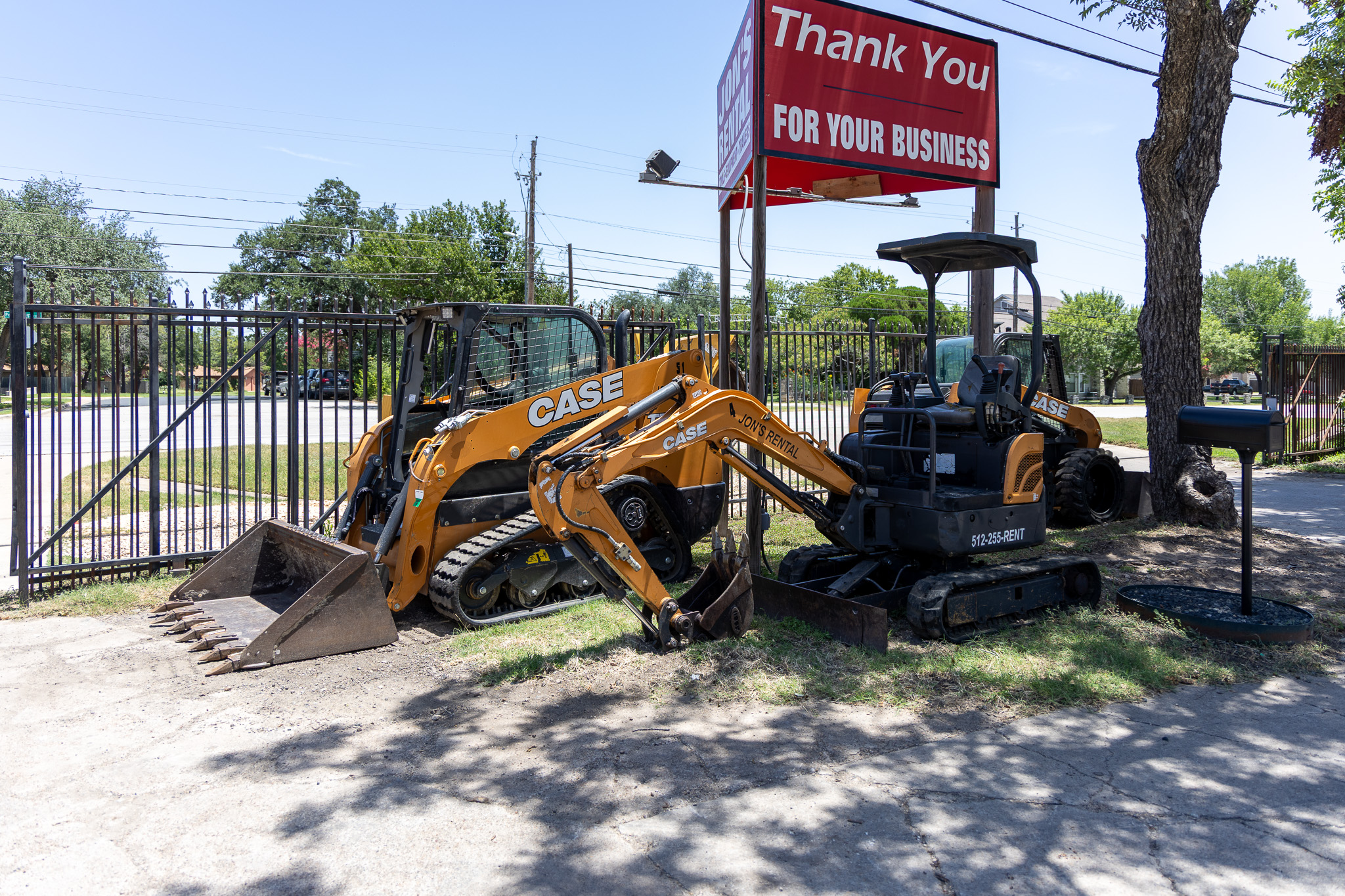
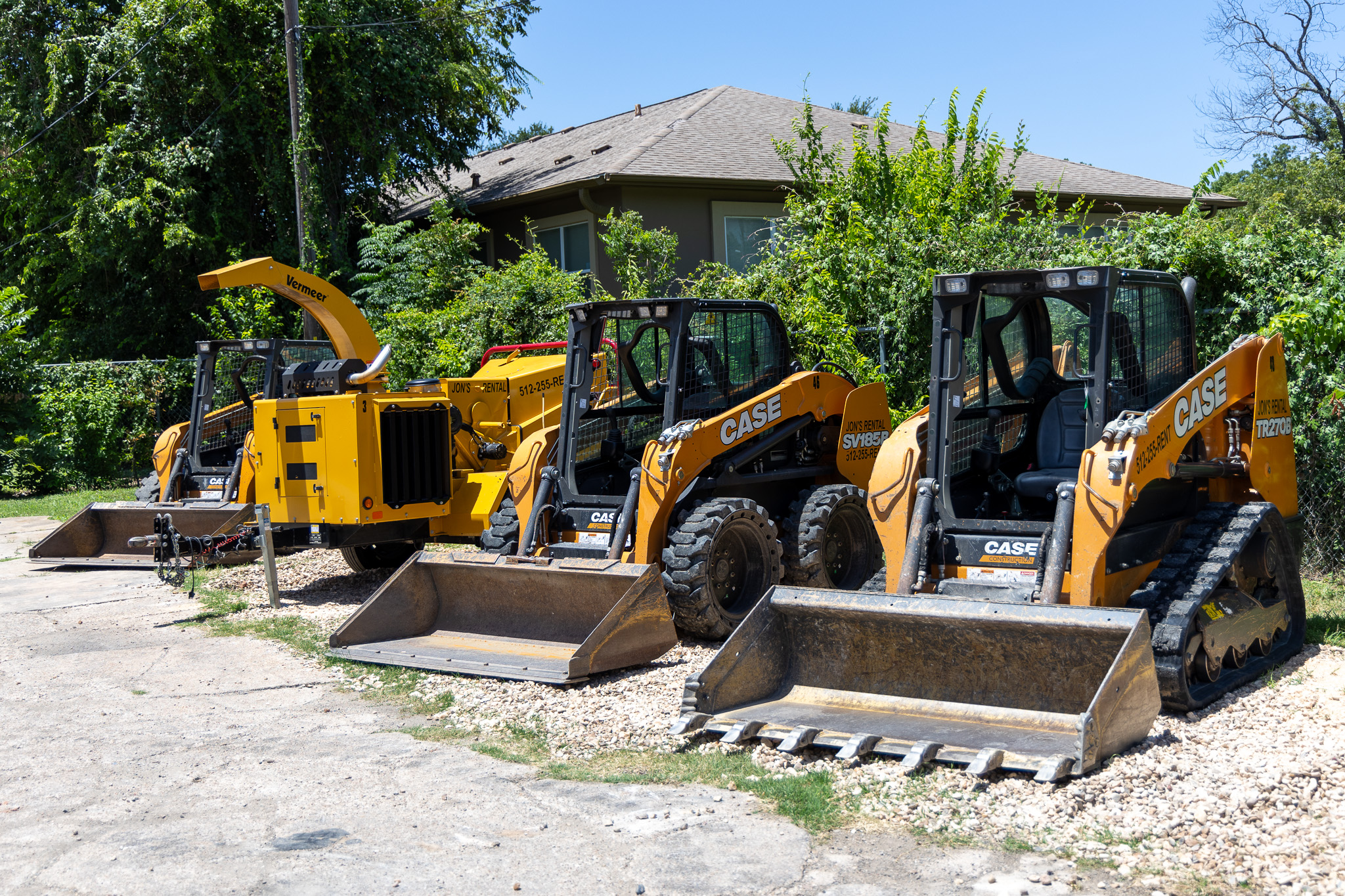
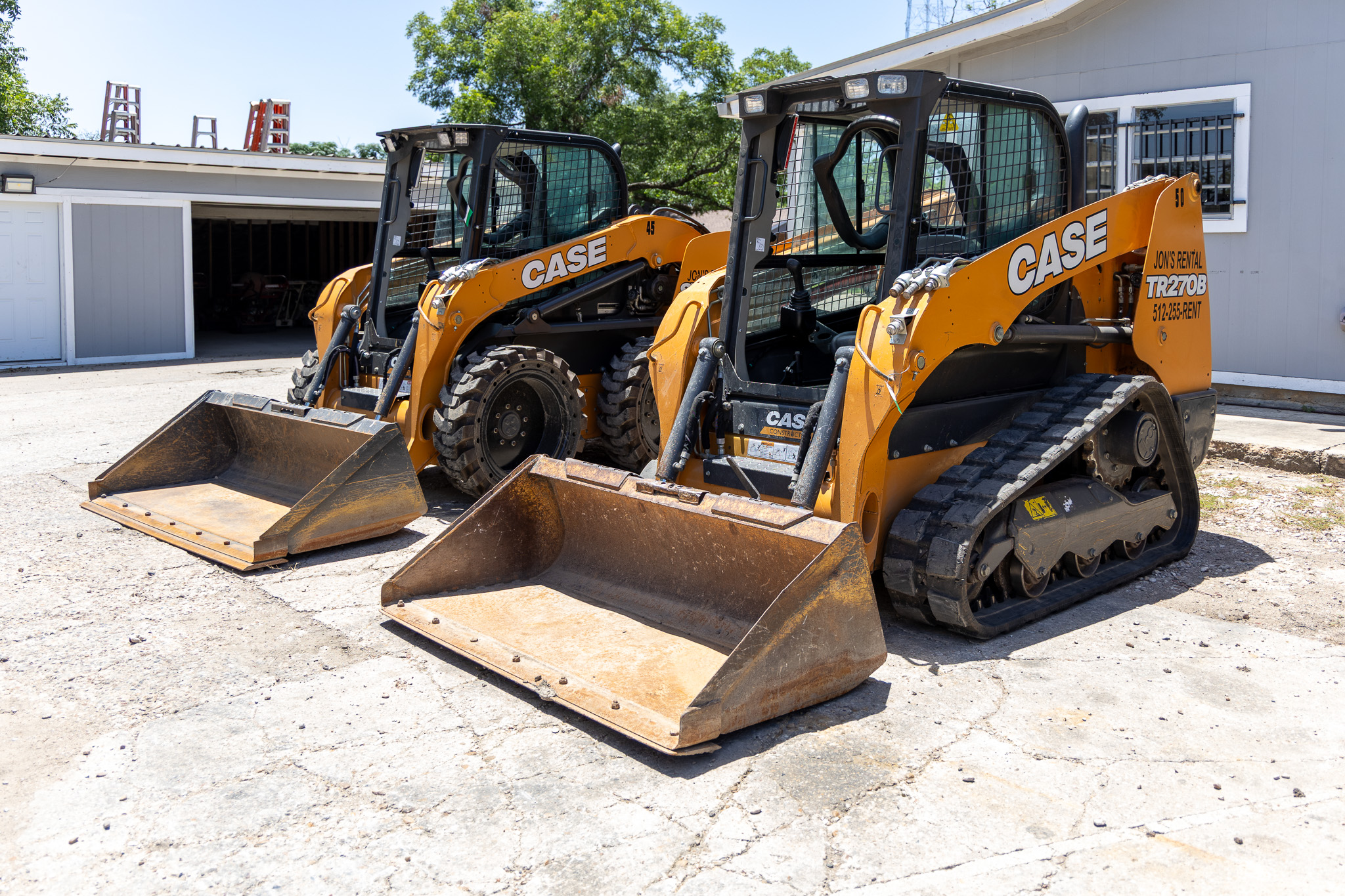
- Excavators and Skid Steers
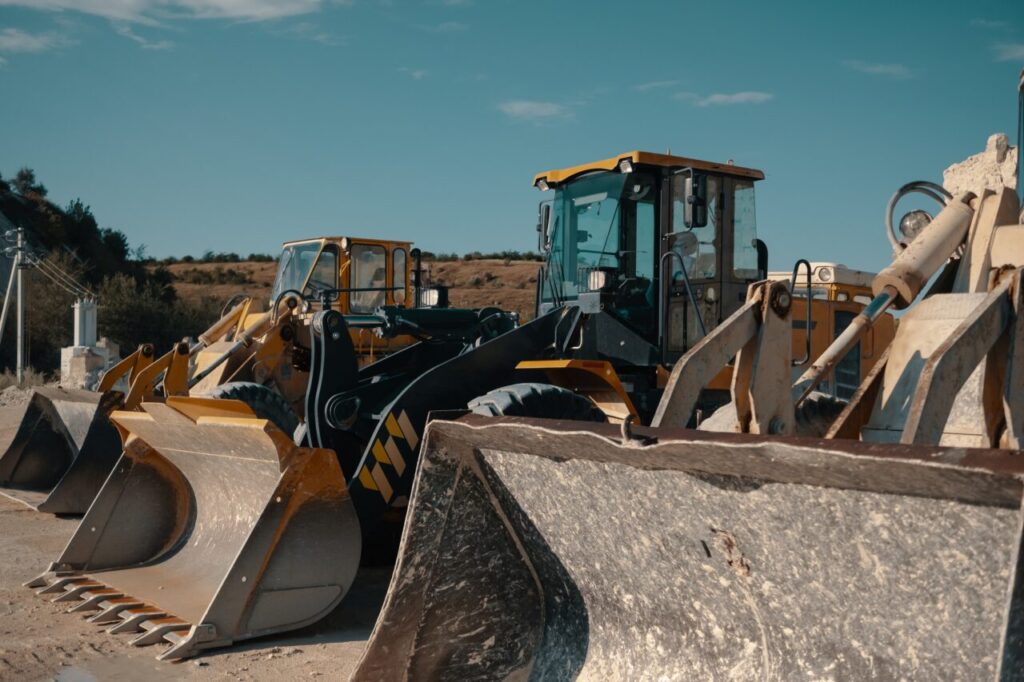
- Backhoes and Loaders
- Dump Trailers and Haulers
These are used for major landscape projects, digging, grading, and material moving.
Power Tools & Light Equipment
- Concrete saws and breakers
- Compactors and plate tampers
- Generators and air compressors
These tools are often necessary for finishing work, hardscape jobs, and surface prep.
Specialty Tools
- Floor sanders
- Pressure washers
- Lifts and scaffolding
Specialty tools solve very specific challenges — like cleaning large surfaces or accessing elevated areas.
Knowing what category your task falls into helps narrow your options so you don’t rent something unnecessarily complex or expensive.
3. Evaluate Equipment Size and Capacity
Not all machines are created equal — even within the same category. Selecting the right size and capacity prevents both underperformance and unnecessary rental costs.
Excavators:
- Mini excavators are ideal for landscaping, small trenches, and tight spaces.
- Mid-size machines are used for residential foundation work or medium jobs.
- Large excavators are typically for commercial construction.
If your project area is small or access is tight, a large excavator won’t fit and will cost more than necessary. Conversely, using a mini machine to dig a deep sump or haul heavy loads can slow progress.
The same principle applies to other rentals — generators should match your electrical load, compaction equipment should match soil and surface type, and trailers should fit the weight and dimensions of what you’re hauling.
4. Consider Power, Reach, and Mobility Needs
Once you’ve narrowed down the type and size, think about:
- Power requirements – Does the equipment have enough capacity to handle your workload?
- Reach and height – Do you need extended arms or lift heights?
- Mobility – Will it need to move across uneven terrain or in tight spaces?
For example, if you’re installing roof trusses or running wiring on a two-story home, a lift with adequate reach is essential. Likewise, if you’re working on rough terrain or gravel surfaces, skid steers with appropriate traction are worth the rental cost.
If your project involves heavy or prolonged work, be sure to discuss power and performance expectations with a rental specialist — they can make suggestions that match your needs precisely.
5. Think About Project Duration and Logistics
Another big factor in choosing the right rental equipment is **how long you need it**. Projects often take longer than anticipated, and rental rates are typically based on daily, weekly, or monthly terms.
Ask yourself:
- How many days will this job take?
- Do I need weekend or holiday coverage?
- Is there a chance of weather delays?
Choosing flexible rental terms helps protect your schedule without locking you into unnecessary costs. At Jon’s Rental, we offer competitive daily, weekly, and monthly rates so you can plan accordingly.
Also consider whether equipment delivery and pickup are necessary. If you don’t have a truck or trailer capable of hauling heavy machines, scheduling delivery through the rental provider saves time and safety risks.
6. Budget Smartly: Don’t Overpay, But Don’t Under-Estimate
Budgeting for equipment isn’t just about getting the cheapest option — it’s about matching cost to project value and requirements.
Renting too small or cheap a machine can slow your work and increase labor time, which means higher overall costs. Renting an oversized or more powerful machine than necessary also increases your bill unnecessarily.
Here’s a simple rule of thumb:
If the machine doesn’t complete your task safely and efficiently, its cost savings aren’t real savings.
Always discuss your project scope with a rental specialist — they can recommend models that fit both your budget and performance needs.
7. Safety Features and Operator Training Matter
Equipment performance is only part of the picture — safety is crucial. When you rent a machine, consider:
- Built-in safety features (roll cages, alarms, guards)
- Operator requirements and licenses
- Availability of training or demonstration videos
- Protective gear requirements (helmets, gloves, boots)
Some heavy equipment requires certified operators or specific training. If you’re unfamiliar with a machine, ask your rental provider for guidance, training materials, or on-site demos when available.
Proper operation protects you, your crew, and your worksite — and it preserves the rental machine itself.
8. Check Maintenance, Condition, and Warranty Coverage
A good rental provider maintains its fleet so that you get reliable, well-serviced equipment. Before signing a rental agreement, ask about:
- Maintenance records
- Age and condition of the equipment
- Availability of backup machines
- Warranty coverage for breakdowns
Quality providers like Jon’s Rental keep their equipment in top shape so it works when you need it. If a machine breaks down through no fault of yours, solid rental agreements offer options for repair or replacement without extra cost.
9. Prepare Your Site Before Delivery
Choosing the right equipment is only half the job — preparing your site makes installation and work flow smoothly. Before the equipment arrives:
- Clear debris, vehicles, and obstacles
- Mark underground utilities if digging
- Ensure access points are wide enough
- Identify a staging area for trailers or forklifts
Site readiness prevents machine delays and protects equipment from unnecessary damage. A few hours of prep can save days of frustration once the equipment arrives.
10. After the Job: Proper Return and Cleanup
Once your project is complete, proper cleanup and return procedures are important. Some tips:
- Clean the equipment if required by your agreement
- Refuel if your contract specifies
- Inspect for damage and report issues early
- Schedule pickup at a convenient time
Returning equipment properly maintains good relationships with your rental provider and avoids additional fees.
Common Mistakes to Avoid When Choosing Rental Equipment
Even experienced contractors sometimes choose the wrong machine — here are pitfalls to avoid:
- Choosing by price alone instead of capability
- Underestimating terrain difficulty or job complexity
- Ignoring access restrictions at the jobsite
- Not accounting for weather delays or backup needs
- Failing to train operators sufficiently
A partner like Jon’s Rental helps you navigate these challenges so your project stays on time and on budget.
Conclusion: Choose Smarter, Not Harder
Choosing the right rental equipment doesn’t have to be guesswork. By:
- Defining your project scope
- Understanding equipment categories
- Matching size, power, and capacity
- Thinking through logistics and budget
- Prioritizing safety and condition
You put yourself in the best position for a successful outcome.
If you’re unsure what you need or want professional guidance, contact Jon’s Rental today. We’ll walk you through your options, recommend the right machines for your job, and make sure your equipment keeps your project moving forward.
Helpful Resources: